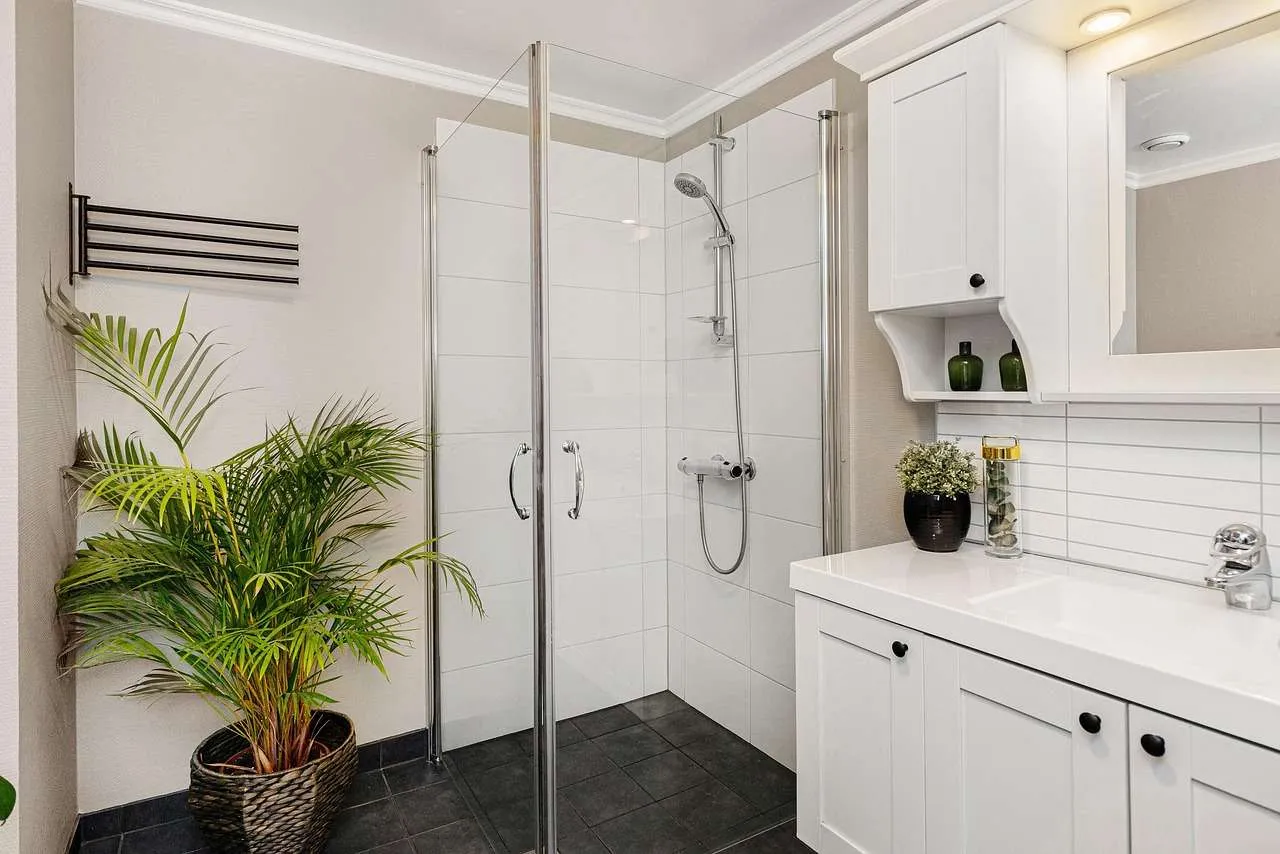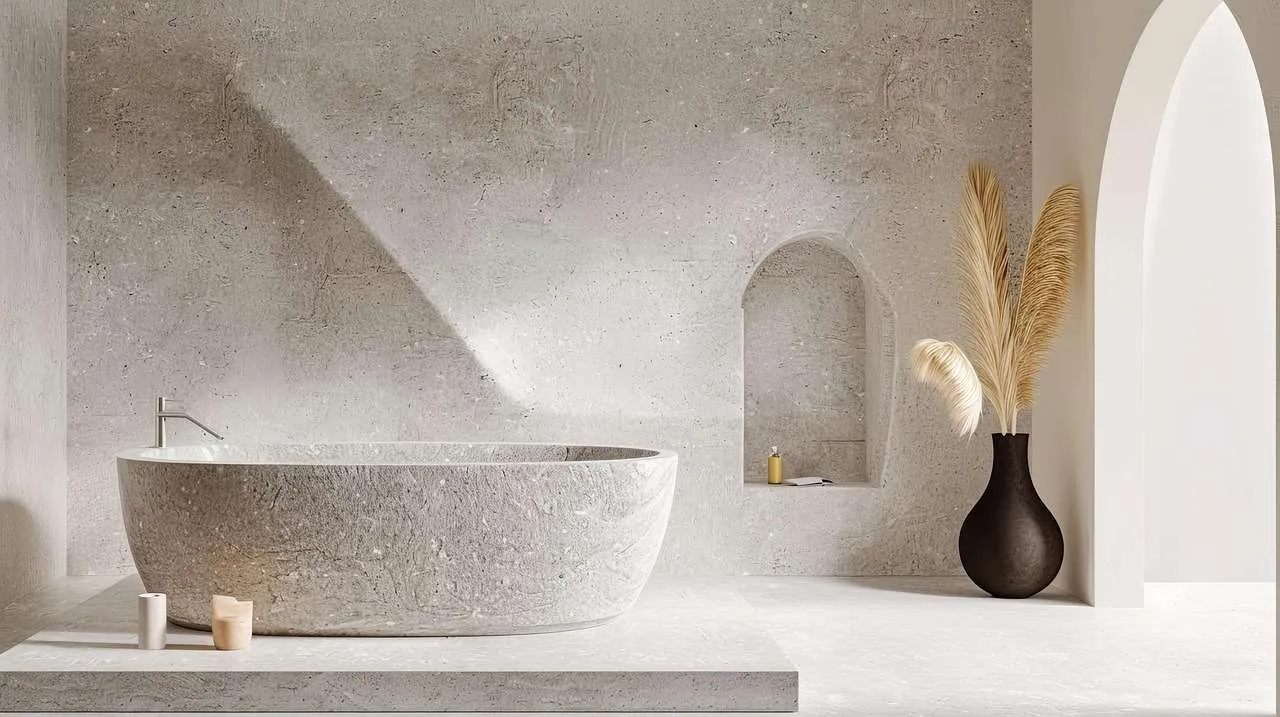
Creating a thoughtful bathroom decor plan blends personal style with everyday practicality. This guide combines design principles, trusted trends, and actionable tips to help you craft a space that feels calm, functional, and timeless. Whether you are refreshing a powder room or upgrading a full bath, the right approach improves mood, usability, and value.
Design Principles for Effective Bathroom Decor
Start with clear goals: determine how you use the space, what colors inspire you, and what storage you need. Prioritize a cohesive look that flows with the rest of your home. Establish a focal point, such as a statement mirror or a tile feature, and ensure that fixtures, hardware, and textiles echo that theme for a unified feel.
Function and Flow
Measure traffic patterns and ensure that essential elements—sink, toilet, shower or tub—are easy to reach without crowding. Adequate clearance, slip-resistant floors, and proper ventilation are nonnegotiables that support long-term comfort and safety.
Aesthetic Cohesion
Choose a restrained palette and repeat key materials across surfaces. A harmonious color story and consistent metal finishes prevent visual chaos, making even small spaces look more expansive and refined.
Color Palette and Materials
Color anchors the mood of your bathroom decor. Light neutrals with warm accents create a spa-like retreat, while deeper tones can deliver drama in larger baths. Material choices matter: natural stone, ceramic, glass, and wood-inspired finishes offer tactile interest and durability.
Choosing a Palette
Begin with a base color for walls and cabinetry. Add an accent color for textiles, towels, and accessories. If you prefer versatility, adopt a timeless neutral base and layer texture and color with accessories that can be updated seasonally.
Textures and Surfaces
Mix matte and glossy finishes to add depth. Porcelain or ceramic tiles with subtle patterns, combined with a matte vanity finish, create balance. Use soft textiles and natural fibers to soften hard surfaces and enhance comfort.
Lighting, Mirrors, and Atmosphere
Layered lighting is essential for both function and mood. Combine task lighting near mirrors with ambient and accent lighting to eliminate shadows and create warmth. Mirrors with anti-fog features or adjustable angles can improve usability while expanding the room visually.
Light Sources and Placement
Goal: illuminate evenly without glare. Place sconces at eye level on either side of the mirror and include a ceiling or recessed light for general brightness. Consider dimmable fixtures for flexibility.
Mirrors and Reflectivity
Large mirrors reflect more light and visually enlargen the space. Framed or frameless options should complement the overall decor and hardware finishes.
Storage Solutions and Organization
Smart storage preserves clutter-free countertops and a serene bathroom. Recessed niches, tall cabinetry, and vanity organizers maximize space. Closed storage reduces dust and visual noise, while open shelving can display curated decor items and towels.
Practical Organization
Prioritize vertical space and drawer dividers. Use baskets for small items and pull-out organizers for easy access to essentials.
Accessories, Textiles, and Fixtures
Accessories personalize the space and should echo the color and material palette. Choose towels and rugs with durable, quick-drying fibers. Fixtures such as faucets and showerheads should balance aesthetics with water efficiency and ease of use.
Signature Additions
Consider plants for a touch of life, a spa-inspired tray for daily essentials, and coordinated hardware to tie the room together. Subtle art or a decorative container can provide visual interest without overwhelming the space.
Budgeting and Planning
Plan in phases if needed. Start with essential upgrades such as lighting, storage, and fixtures, then layer in decor. Compare options by durability, maintenance, and return on investment to maximize impact without overspending.
Cost-Saving Strategies
Refinish or repaint cabinetry, select versatile tiles, and reuse existing fixtures where feasible. Prioritize durable materials for high-traffic areas to reduce long-term replacement costs.
Care and Maintenance
Maintenance is part of lasting bathroom decor. Establish a simple cleaning routine that targets soap scum, mold, and mineral buildup. Seal grout periodically and wipe fixtures to preserve shine and prevent staining.
Compare Popular Bathroom Decor Styles
| Style | Key Elements | Pros | Cons | Best For |
|---|---|---|---|---|
| Minimalist | Clean lines, neutral palette, hidden storage | Calm feel, easy maintenance | Can feel cold if not warmed with textures | Small baths, modern look |
| Rustic | Warm woods, natural stone, handcrafted details | Cozy, timeless charm | Maintenance of natural materials; can feel heavy | Traditional homes, country style |
| Coastal | Light blues, whites, airy fabrics | Bright and fresh vibe | Bleached or pale finishes may show wear | Beach houses, seaside aesthetics |
| Modern Glam | High-contrast, metallics, statement fixtures | Luxurious and striking | Higher cost; needs careful balance | Large baths, bold personalities |
| Vintage/Traditional | Classic fixtures, tile patterns, timeless hardware | Character and warmth | Can appear dated if not refreshed | Character-rich homes |
Summary: A well-executed bathroom decor plan blends cohesive color palettes, layered lighting, practical storage, and thoughtful textures to transform daily routines into a calm, uplifting experience. By prioritizing function, choosing durable finishes, and curating accessories with intention, you create a space that feels personal, balanced, and enduring.